




.png)
Transcript
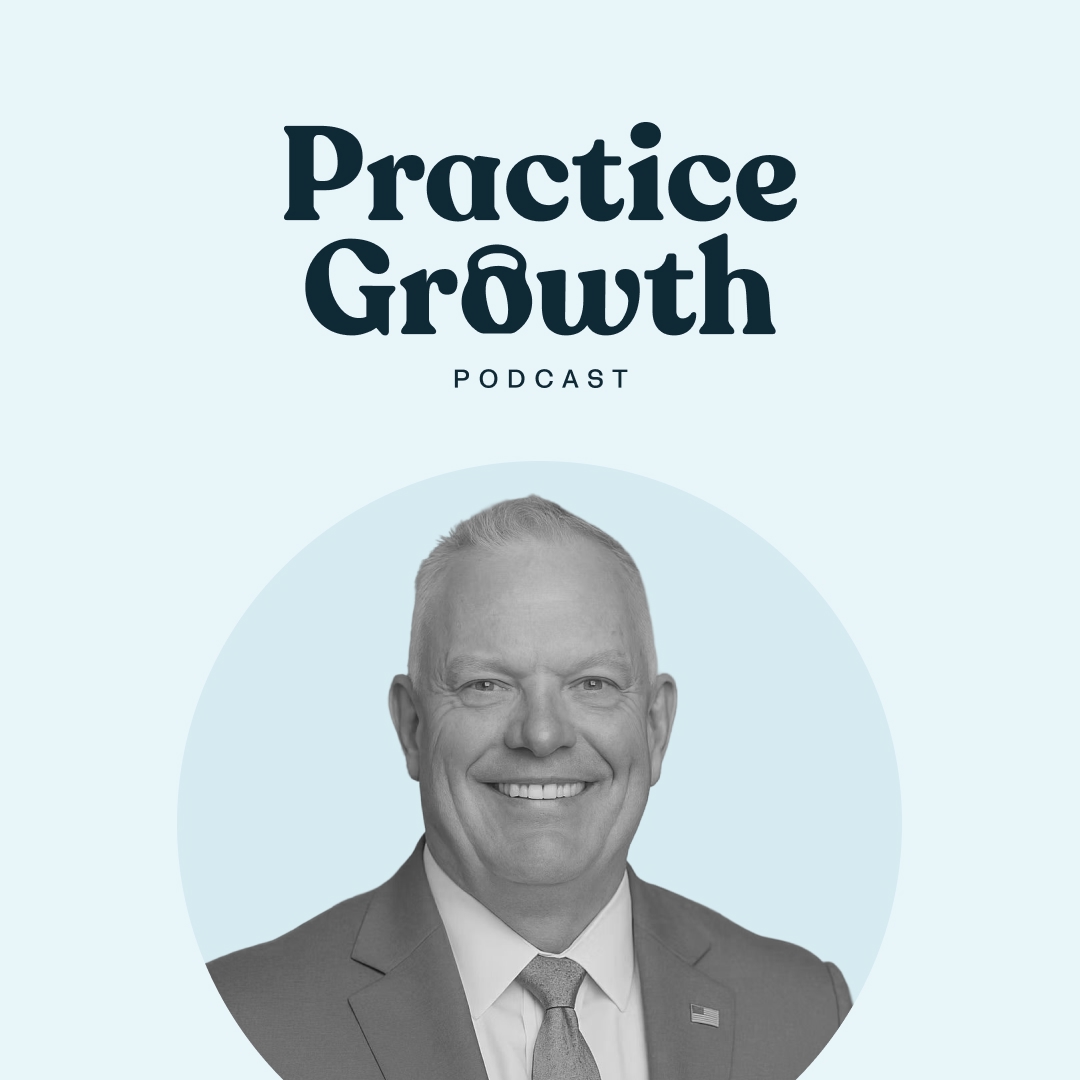
Marla Ranieri: Welcome to the Practice Growth Podcast, where we have students, clinicians, and clinic owners stay ahead of the latest trends in the ver rehab industry. Today we have a very special guest, Mackenzie Winkler, who is the senior Director of virtual practice at a TI Physical Therapy, which is one of the largest therapy.
Uh, providers in the country. Um, really great to have you here today to speak a little bit about virtual care, hybrid care, remote therapeutic monitoring, and what your company has done to really be a trailblazer in the industry and adopting that and implementing it to help. Quality outcomes happen in physical therapy.
So thank you so much for being here today. Thanks, Marla. Always a pleasure. And I'd love to just start hearing a little bit about you. Um, tell me about your background, how you got into the physical therapy rehab industry, and how you really ended up at a TI with this position that you're leading today.
MacKenzie Winkler: Yeah, yeah. Happy to start there. Um, so I would say. I really think of my life path, career path as non-linear. And there's a lot of experiences along the way that lead people to where they're supposed to be. Um, and I truly believe that's what's happened to me. Um, so I might have just gone really deep in the first couple minutes of the podcast.
Um, but as you think about my background, and I take a really far step back is I was actually a very competitive athlete growing up. Um, I had a lot of experience with ATCs PTs, um, and they were teaching me. Fundamental things about my body that I didn't even realize at that age, um, that has influenced me throughout my whole life.
Um, and I recognized their talent and their skillset and expertise at such an early age, you know, simple things about when I tore my Achilles, um. I hate wearing shoes. Fun fact. Um, but I really wanted to find sandals that were the right support and didn't, and my feet didn't hurt and I felt good in them and they helped me with simple things like that.
Or as I was getting stronger and like understanding how my body moves and moving it in the right way to protect myself from injury and grow stronger. Um, so I had a lot of that experience growing up and I'm still actually connected with some of those individuals today and I really appreciate that. Um, but from there, as I graduated college, I actually, um, am a nurse by trade.
Um, and so that nursing experience starting out was really grounded in the recovery room or pacu. And so I was seeing surgeries firsthand working with surgeons, you know, orthopedic surgeons, surgeons, and understanding. Kind of the musculoskeletal journey in that moment in time and got to learn it really well.
Um, but then from there, and I'm like, I'm gonna get to the point of this in a second, but, uh, from there I became a nurse practitioner and I worked in retail health and in primary care settings. Um, and in that setting and in that space. I was, you know, kind of the frontline in recognizing maybe when someone would need imaging or when someone would need an ortho consult.
And I will tell you right now, hindsight, I am not the expert. The experts are the PTs that I work with today. Um, and so all of those experiences then kind of transformed into more of what I'd say like leadership operations role in my previous organization. I got the experience of rolling out, um, net new concept clinics, um, really looking at innovative care models in the virtual space, whether it be medical, behavioral health, um, rolling out new testing, um, services at a national scale.
And so. All of those experiences cumulatively together really led me on a path where, and I didn't know it at the time where, um, working in the PT industry and working very closely with, um, PT providers, who I really respect their expertise and their skillset, and then taking what I've learned from an implementation innovation standpoint and really helping try to propel the industry forward.
Um, and so just been. Incredibly grateful for the experiences that I've had and how it all kind of correlates to where I am today.
Marla Ranieri: Ugh. I love that story. And I love how you have the nursing background. You are working with the PTs and really doing all of these different models to begin with, and then being able to bring that to a company that was looking and thinking big.
So what exactly do you do for a TI while you're there now, and what are some of the big projects you're working on?
MacKenzie Winkler: Yeah, it's a great question. I would say. It's different every day. It, it's constantly changing, but it fits my passion from like a personal level so well, because I thrive and change, um, which I don't think you should be in an innovative field if you, if you don't.
Um, but I have to constantly be doing something new and different. And so my role allows me to do that. The other thing before I kind of dive into maybe some specifics of things we work on, um, is I work with a very talented team. Not just, you know, the team that's directly with me, uh, day to day, but cross-functionally across the organization.
I think we're. Deeply rooted in like our mission and our culture. And so we collaboratively work really well together. So by aligning the passion and the people that I work with, um, I just fundamentally wake up every day really enjoying what I do. Um, but when you think about day to day, I would say a lot of the things I focus on are in the telehealth space.
So we, we've had a telehealth program since 2020, really birthed from COVID. Um, but we knew we needed to optimize it quite a bit. So we're looking at. You know, scheduling practices and scheduling tools and, um, how to, um, better implement, um, billing practices and how do we inform patients better or engage them better?
In our telehealth space, we're looking at things from a digital HEP standpoint and continuing to optimize our home exercise program solution. And, you know, and the support that we get from PT Wire to do that, um, really as a, as a collaborative effort. Um, we, uh, implemented remote therapeutic monitoring this year.
Um, and so implementing a net new service that really helps connect, um, patients from their in-clinic care that they're providing and stay connected at home, um, and really help them progress and see the benefit of that connected care experience. Um, all of those things together really kind of en, en encapsulate really this hybrid care experience.
And so really, so it's not just doing those things in a silo or a bubble. It's making sure that all of those things actually connect to how we do things in the clinic and working closely with the field, and how do we create that connected care experience.
Marla Ranieri: And that's honestly such a big part right now of what I see happening throughout the whole industry is we are patient centric and we want to make sure we are connecting with them from the experience, the outcomes, but meeting where they, them, where they are as well.
So I would love to hear, tell me a little bit about what hybrid care is, what remote therapeutic monitoring is, and then we'll dive into how and why a TI and your group decided to implement that.
MacKenzie Winkler: Yeah. Um, hybrid care is, is like. In my opinion, it's like a state of mind or a, a ecosystem of how we provide care.
And it's to your point, I know, I know I didn't coin this phrase, but I hear it all the time. But this era of convenience, we're in this era of convenience for. Any consumer, even outside of the healthcare landscape, is always looking for how do I do this in the easiest way to meet my need? Um, and so we have to meet our patients where they're at, exactly like you said.
And so hybrid care really enables us to do that. It's never replacing, it's never taking away from the expert in clinic care that we provide. Um, and honestly, that will always be our, our fundamental foundation of our practice. But how do we bring. Um, digital tools and digital care services to kind of layer on and complement that experience.
Um, meet patients where they are and engage them at the right times in their care to just really help them meet their goals.
Marla Ranieri: So you guys are doing remote therapeutic monitoring and hybrid care. Uh, and I know you just outlined Hybrid care, but can you also outline what Remote Therapeutic Monitoring is for our listeners who may not know?
MacKenzie Winkler: Yeah, it's a great question. Yep. And I think remote therapeutic monitoring is really a key component of a hybrid care model. It's not the only component, and I think there's multiple pathways where you can effectively engage someone digitally as part of their overall treatment plan. Um, but what RTM is is really providing that, um, kind of.
PT in your pocket experience, that connected experience while the patient's at home, um, and it's, it's bi-directional, which is lovely, is that they can provide us inputs through our PT wired app, um, through, through messaging, through direct feedback. But we can also monitor that data or those insights or maybe even the lack of data or lack of insights, and then determine really how do we effectively wanna engage that patient further.
Um, and it could be just motivation coaching or it could be. A, we're actually seeing a trend that's, that's good. Um, and we actually just wanna congratulate them and keep them, you know, doing the same thing. Or it could be that we're actually starting to see something that may escalate care or change care, and we've kind of grounded ourself in this concept of.
This team. So we actually have a centralized team that provides RTM care, um, which may be a little different than how some, some companies implement it. Um, but this team's really rooted in if, if we're seeing escalations in care or something that would change fundamentally change the next visit. That's when we really kind of centrally work with that, that PT and pull them in to really make sure we're having a a grounded plan and how to support them in their next in clinic care.
Marla Ranieri: It's like having a coach in your pocket. Exactly. So in between those sessions where sometimes they fall off in between those sessions or don't do their exercises Yep. You've got that coach and that remote therapeutic monitor to really help engage and keep them on the right path. Yep, exactly. Yep. Great.
Great. And now a lot of people, 'cause R TM has become very popular buzzword and. People are starting to look at it. Do I do this, do I not? But many companies are deciding, is the juice worth the squeeze? So, would love to know how your senior leadership or your, or your company thought about it and the why behind, behind why they implemented it.
MacKenzie Winkler: Yeah. Yeah. It's a, it's a really great question. So I think fundamentally as we think about our leadership team, I think I would, I would highlight before we even get into kind of where we're at today, or the shift or change we made, um, is just that they are. Are very open to calculated risk. Um, they're very open to innovation and change, and I think having a leadership team that thinks that way is able to balance the, the operational with the innovation and change.
And sometimes there's a shift in balance, but always keeping both of those as a priority, um, is really in a fundamental piece to be able to move a new, new service or innovative service like this forward. Um, you know, I might joke in saying this, but Chuck the pinner, you know, um. Our chief clinical and strategy officer, um, I'm pretty sure he's had something like this on his mind from a visionary standpoint for probably the last 10 to 12 years.
Um, but he really needed, um, the, the right tools and process and, and how do we implement this and how do we move it forward in a way to bring the entire culture of a TI with us in that process. Um, and so I think going back to your question of really just. Um, how did we move it forward and, and why? I think we saw an opportunity to extend our care model.
We see the healthcare landscape shifting. Um, we see that era of convenience that patients are in. Um, and we know that, um, patients can't always. Be at an in-clinic visit or they need that extra support. And between all of those things, we really found that RTM really helped fit our care model effectively without taking away any pieces that we found fundamental to it.
Marla Ranieri: Yeah, I love that. I love to be able to think big, the ability to really focus on the outcomes and what's gonna get you. And how you can incorporate this into your existing model, but extend it outside to really meet those patients where they are. Exactly. Um, and I'm happy that your team was able to be bought in, 'cause I think that's sometimes hard, but you mentioned, which was really important, you needed the right tools and processes to do it and.
I think that's instrumental because a lot of people want to do this, but they don't know where to start. Mm-hmm. So from that perspective, can you a tell me how many clinics are doing this? Like, is this full about rollout? Is it only a few clinics? And then tell me about the tools and processes and how you evaluated that and decided to choose what you ended up choosing for it.
MacKenzie Winkler: Yes. Yeah. So we are live with, uh, remote therapeutic, uh, monitoring nationally. It's a little over 900 clinics nationwide in 24 25 states. Um. And so that was effective April 1st. Um, and it's been a journey for us. I wouldn't say that this is not a flip of the switch that you can do in just a month's time to get to that point.
Um, I think so if we start back with just the technology, I think we. Um, had done a number of pilots and, and relatively unsuccessfully until we took some time to really evaluate and ensure we had the right technology in place. Um, if anyone knows me, I'm extremely methodical and process oriented, and so we took a step back and just really focused on, um.
What do we fundamentally need in that partner to deliver a net new service and really define that objectively? We put it into score scorecard, like a rubric. Um, and then we pulled in the right stakeholders kind of cross-functionally across the organization. To actually do a collective evaluation of, of who is the right partner for us.
Um, and through that process, and when I say collaboratively, I mean we were pulling in, you know, of course procurement, but IT, and clinical development and our, some of our field leaders, um, multiple stakeholders across the organization to really make sure we had the right assessment framework and thought process to it.
And that really led us. To, um, leveraging PT wired at an enterprise level for our remote therapeutic monitoring service. Um, so I think that was important, but you can't do it on technology alone. Um, and so the other pieces were really fundamental is how did we positively impact change? And, you know, I think p the PT practice is one that's kind of been.
Fairly stagnant as you look at like the medical profession and how it's changed over time and that we've done things the same way for a really long time. And so we really had to spend a lot of time with our providers and our clinical leaders to really drive that change. Um, and that started way, way before April 1st.
Um, I think it was really probably five. Six months prior to that, that we were just really starting to get some of the, like what we call w thumbs, what's in it for me, education and training out there. We found, you know, the more more individuals heard about it, the more they could ask questions. It just, you don't need to understand how, we just want you to understand the why, why, um, and that really drove the buy-in.
So when we got to the, the how training that, that was the simple part, right? Because we had really gotten our, our teams, um, all the way top down, engaged in. Really what this could do to transform our care model at a TI, um, and recognizing that it really just fed, uh, met our mission or really set into our mission perfectly right.
Our, our mission is to, um. Our mission is to really just make sure that we are helping patients progress on their path, um, and meeting their goals. Um, and ultimately this is a service that does just that.
Marla Ranieri: Wow. So much to unpack there. I love it. Um, first the with a model, what's in it for me? I love, I love the why.
I love that you really were doing that part well before even rolling it out. Um, and you, you mentioned the technology piece. You, you did a really high evaluation, vetted a lot to find the right partner and product. And I say partner 'cause it really is a partnership. Mm-hmm. When you're, when you're using the right technology mm-hmm.
Um, can you tell people, 'cause there's a lot to evaluate out there. What are the, the different pieces you should be evaluating to find the right one, give some tips and tricks so that they're actually evaluating their, their services correctly too?
MacKenzie Winkler: Yeah. Yeah. I would say maybe three top categories. I think.
Um, first and foremost, uh, I would call it ease of use or simplicity. I think, um, you know, it's funny to think of technology as simple, but that's really what it should be doing. It should be making, um, life easier or, or, um, more accessible for patients. Um, and so if patients won't use it because. They have trouble clicking through different screens or they have trouble in the, the use of it.
Um, you're really not gonna be able to progress that, that clinical service. So there's that component. It also has to be easy to use for our clinicians. So our, our clinicians are busy every day and we don't wanna implement something that is going to bog down their, their process. We want them focused on the care of the patient that's in front of them, um, and not being bogged down by a system or process that doesn't support that.
So ease of use is probably fundamentally our biggest one. I think the other is maybe a broader, bigger bucket of just, um, cl uh, clinical experience or maybe clinical journey. So how does it fit into the framework of how you care for a patient every day? And does that workflow seem fairly field, fairly seamless for both the patient and the provider?
Um, and then I think lastly is the, the kind of connectivity or interoperability of it. Um, it. Kind of back to that other, but if it doesn't integrate well into your existing systems or existing process, um, you're gonna have that. Friction, that clunkiness, um, that's really gonna prohibit, um, the right experience and really clinicians and or patients will shy away from it immediately.
So I think those three things really fundamentally is what, um, we are looking for to really make sure that we had the, the right technology partner fit to, to launch the service.
Marla Ranieri: Yeah. And you really do need the clinicians bought in. The patients bought in the easibility. Um, and then, like you said, that interoperability, it should.
Connect with all your different systems, and I, I know you guys have this huge hybrid model, so that's from mobile app to patient engagement to, um, home exercise program to r tm. So like all of that should be fully connected to be able to implement well into your company. Yeah, exactly. Uh, so then you, you mentioned.
The rollout is challenging and hard, and I, I know that's, this is something everybody is a challenge with. They get excited about technology, but difficulty implementing it. So can you give us some tips and tricks on what worked for you guys to be able to roll it out successfully to 900 clinics?
MacKenzie Winkler: Yeah, yeah, yeah.
Happy to. I think, um, a few things. I think one, uh, what I had previously talked about, just how did we, um, help clinicians, um, our clinical teams understand and get that bought in, be well before. Um, the change was even happening. Um, so I think really thinking through, uh, effective training on the why, um, bringing it, um, front and center to all of our kind of standard forums where we're educating, uh, things of that nature.
So that's, that was fundamentally important. Um, I think another piece of it too was the, um, piloting. So, um, I do, we did go through a number of pilots. We got a lot of feedback. Um. We can't, you can't scale nationally across 900 clinics if you're not taking in clinician feedback and understanding, um, how it's working in real time against what you thought it would look like and where those kind of pitfalls or barriers.
And then making sure you iterate or change before you're really ready to scale nationally. Um, the other thing that's important, and I, I kind of probably skipped through this in my, my thinking, but, um. Really engaging the field early on to find those early adopters and helping them be those change agents for us.
So we have a team of what we call lead SMEs, lead subject matter experts, and then subject matter experts, um, that are clinicians out in the field that were our early adopters and we had forums for them to meet with them. Um, answer their questions, help them continue the buy-in process, and then really leverage them, um, you know, their skillset, their expertise, um, to really be change agents in the field.
Um, such a critical part and, um, highly value and respect with what they do for our organization to really bring about change effectively. Um, and then I think the, the last thing I would add to. Is just, we're never done iterating. Um, I truly believe it's progress, not perfection. Um, and so we are constantly looking at what other feedback are we getting and adding it to our optimization backlog.
Working with a partner like PT Wired to really think through what has the most impact and, and prioritizing effectively, um, so we can continue to make the product better and the service line better for our patients and our clinicians.
Marla Ranieri: I, I love that you have the change agents and the people on the field in the field doing that because they probably get excited about that too.
It's something different. They're making a difference. And innovation's never done, like you said. It's not, it's, it has to be continually reiterated and get better to be able to, um, make it better for patients. So, exactly what a, what a great model. Um. And now question that everyone's gonna wanna ask because they all say, great, this sounds awesome, but what is the ROI?
What are you, what are you measuring? How do you know this is actually working for your clinic, for your clinicians and your patients? What do you guys measure and what has been the success?
MacKenzie Winkler: Yeah. Yeah. It's a great question. Um, I'd say there's a mix of things we're measuring. Whether it be clinical standpoint, patient engagement, patient satisfaction standpoint, even operational metrics.
Um, I think some of the, the early things that we have seen since launching nationally and really getting like large scale data, um, I think some of the things that we've seen that are really exciting to me are. Um, one as you think about outcomes, so we are seeing, um, a statistically significant improvement in outcome change for our, our TM engaged patients as compared to just our standard national practice average.
Um, so what we said and what hypothetically makes sense as you think about what the service is actually proving out in the data, which is wonderful to see. We're also seeing that patients are actually completing their outcome surveys more often, which I mean. It more data we can have the better, but it also kind of pinpoints to, they're more engaged if they're actually telling us how they're doing or how if they've gotten better or not.
Um, the other piece we've been monitoring is what we call length of stay. So just, um, are they being adherent to their plan of care and what we expected or, or prescribed for them? And we are seeing. Uh, an increase in just overall visits per patient. Um, and so we see that as, again, an example of them just being more engaged in their care and adhering to what we, we prescribed.
Um, and so I think if you look at all of those things together, um, it's really speaking to exactly what we were focused on, which is this connected care experience. Um, regardless of industry and the organization, everyone's trying to figure out how do we keep patients adherent to. You know, the eating right or their exercise regimen or their medications, they're prescribed.
And in this instance, it's no different. And so using this tool and starting to monitor this data, we're seeing that a connected care experience and that increased patient adherence and engagement really prove out.
Marla Ranieri: So what challenges did you end up stumbling upon and how did you or your technology partner
MacKenzie Winkler: help you overcome them?
Yeah, yeah. I think, uh, initially when we rolled out. Um, the biggest challenge we faced was actually higher adoption than we originally anticipated from our cli clinicians and our patients in the service. Um, so this just led to, um, really trying to make sure we were able to support the demand and support the patients we the way we expected to.
So we were looking at, um. PRN staffing models, just how do we bring in more clinicians into our centralized model to support the care? Um, how do we get more efficient with the tools and the processes that we had in place, redesigning SOPs. Um, but sometimes, you know, you can redesign a workflow, but you really need a technology partner to come along to really maybe help enable that ease.
Um, and so working very closely with PT Wired, um, really truly as, as a partner. Um, to look at where were there pain points in, in the process and how did we streamline and continue to get more efficient, um, to meet the demand where it was at. Um, and I think what we've learned too is, is change isn't linear in any way.
Um, we continue to learn things, um, and we continue to have a collaborative relationship with PT Wired. We meet. Actually still twice a week, um, just to talk through what feedback are we getting, what are we learning, um, and really having that partnership, um, where they're, they're open to that feedback and thinking about how it gets implemented into the roadmap has been critical into our continued success of really a hybrid care model.
Marla Ranieri: And that's a partner. That sounds great. Because I know you and you really are looking at the data. It's not just, oh, we feel like there's a change. You guys are actually researching and looking at the data to see true statistically significant changes, which is awesome. Um, that means you are evaluating it and you are using real data points to, to know this is working.
So with that, can you actually give us some examples, one or two of what percent change has occurred from the increase in outcomes or length of stay or completion of surveys?
MacKenzie Winkler: Yeah. Yeah. I think, um, from a completion survey standpoint, if we kinda start there, um, almost a 5% increase in completion survey, which is, is no easy feat.
I think if anyone's tried to implement processes to improve outcome completion. Um, I think just seeing that big of a change in implementing this net new service has been, has been, um, really exciting for us. The other piece I would add is, um. From an outcome change perspective, we're seeing a one, a little over one point change or difference from our national practice, which is a statistically significant increase or, or change in outcome.
Um, and then lastly, as we look at length of stay, a really between one to two visits. Per patient, um, above our national practice average when patients are actively engaged in our TAM care.
Marla Ranieri: And that makes such a difference when, especially our main goal is just a good experience for patient, great outcomes.
So those, those changes like that, we are all trying to achieve that. So it's nice to be able to see those results. Exactly. Now, can you give us an example of a patient story of maybe specifically how it helped a patient? Like if you have one, somebody who may have fallen off from care and then the, they said that this actually really helped them.
MacKenzie Winkler: Yeah. Yeah, I think, um, I think some of the great examples we have are kind of the outliers. Um, so one example I have is, um, actually about 15 20% of our patients that participate in RTM are actually deactivated from RTM Care, or sorry, from PT Care. Um, at the time that we're actually introducing R tm, it's not our standard practice.
We really believe it should be part of the entire plan of care. Um, but there's a number of patients for various reasons that, um, can't get into the CL clinic. Um, have constraints personally that impact their care. And we've had so many that feel deeply appreciative that they have a way to stay connected to us and help us or help, help support them, um, effectively through these digital options.
Um, so I think that that has been something that we've heard. Um, and then I think we've also heard, um, from our patients just this. Notion of just generally being a significantly improved overall PT experience. Like truly, I've gotten word for word feedback. It was one that I think I might have almost fell off my chair from 'cause I was so excited to read it.
Um, but just that it was a truly differentiating experience for them. It was almost like I could have scripted it for. Um, but she really just spoke through, um, how having that integrated app throughout the entire plan of care. Really just differentiated the experience for her. And that's exactly what, what we're looking for.
Marla Ranieri: That is we just want them to be connected, want them to walk away and tell everybody what a wonderful experience they had. And you know, it's, it's not, it's not fun being injured. So anything that could make that feel better and easier is what we all are trying to achieve in this industry. So, and with all those results, what surprised you the most about your results and what data points are you still hoping to capture in the future?
MacKenzie Winkler: Yeah, I think. One of the most surprising things was just how quickly patients adapted, um, and really were engaged around the service. I think there's always this, this stereotype out there that there's a lot of different populations of patients that won't leverage digital tools, and I think, uh, patient populations are continuing to prove that that's not true.
Um, and we've, we've definitely seen engagement all across, you know. The, the age continuum of people who wanna be engaged digitally. Uh, so it's really surprised us in that in a positive way. And then I think from a, a long-term standpoint, I think we really wanna continue to dig into long-term outcome success.
So, you know, not just, you know, functional change, but also readmission rates, total cost to care impact. Um, we believe all of these things are fundamentally, um, being impacted and changed. Uh, but we need longer data, uh, data sets to really just be able to prove that out.
Marla Ranieri: And that's really touching on that value-based care, which we all know and hope is coming, but we need the data to be able to enforce that by me.
Awesome. Um, and then, you know, just kind of some. Final questions on, on all of these pieces. Where do you see remote therapeutic planning, hybrid care, innovation headed for you and for your company?
MacKenzie Winkler: Yeah, yeah. Um, I think hybrid care is here to stay. I think it's like the practice model of the future, but the future is now.
Um, so I, I really think fundamentally over the next few years, it's not really going to be a question of, are we doing this? It's going to be a question of. How do we do this in the most effective way or, or, um, continue to optimize the experience. So it continues to kind of differentiate, um, yourself or, or your company and being able to provide that integrated experience.
Um, so I, I truly feel like, um, this isn't going away and I think that's a model that a TI has really believed in, in that, um, this is now a part of our. Organizational care model. Um, it's not just a bolt on experience. Um, and that fundamentally is, is where I believe the healthcare landscape is, is shifting.
I mean, if you think about the healthcare landscape as a, as a whole, and especially MSK right? You're talking about all in $600 million in spend for, for MSK, right? Um, and everyone is trying to figure out. How do we help patients get better? 'cause that doesn't necessarily mean they're getting better. How do we help them get better but also address that large cost that we can't sustain?
Um, and so we know models like this really fit into that value-based care like model, um, and help deliver that connected experience while still ensuring that we've got that in clinic care experience at the. Core of our model and supporting our patients effectively.
Marla Ranieri: Yeah, and I really think we just can reach more patients doing this.
Like you said, that population health, it is hard to just bring 'em all into your brick and mortar. We can extend those arms, reach more patients, and I don't think hybrid care is going away either. I think it's, it's not doubling down on it, but making sure. That in clinic experience is there as well, because that ability to do both is really where the right patient gets the right kind of care and excels.
Yeah. Yep. So if you have last minute advice for anybody who is maybe hesitant to jump into hybrid care RTM, maybe they think it's just too challenging. Um, any words of wisdom or encouragement for clinic owners or clinicians that see this as the future, but you know, maybe just aren't there yet?
MacKenzie Winkler: Yeah. Yeah.
I think. If you're hesitant, like broadly at at it, I think I would reframe the question of like, what are you focused on and what are you trying to do? And often that's centered around helping your patients, right? Helping your patients get better and doing it in the most effective way. Um, and so when you start to think about that, it's hard to not say like, oh yes, RTM or Hybrid care makes sense, right?
Because it's really reframing the question. Um, but then as you start to think about. How do I go about implementing this or, or how do I jump into this? So I, um, as like a product process person, I ground myself and our team grounds ourself in patient journeys all the time. So I think if you're like, I'd like to do this, but I don't know where to start.
I think really taking your current patient journey and putting it pen to paper and looking at all of those touch points and all of those experiences and not. It might seem overwhelming at first, maybe because there is so many. Um, but looking at where is there one spot where pulling in a digital experience can really make a fundamental impact?
And starting there, um, whether it be, uh, a. A telehealth evaluation, whether it be a digital home exercise program, um, there's a lot of touch points in that care journey that can be optimized through a digital experience and finding that one that's maybe the most impactful. And then, you know, I, I talked about it earlier, but, um, then leveraging that in a pilot format, getting those change agents on board, um, really ensuring.
That, um, you're, you're learning from the process and iterating on it and then, um, being able to then scale that nationally. So probably a lot of tips I just spewed out there. Um, but I think fundamentally rooting yourself in that pen to paper patient journey and really spending some time dissecting it and finding that single point to really start will really kind of kickstart your journey.
Marla Ranieri: And I love that you're saying it's the why. What are you trying to achieve? And then going backwards and figuring out the patient experience and differentiating it. Exactly. And if we focus on that, the quality of care, the differentiation, how we're making this just such an amazing experience for patients to receive care and get better.
All your business metrics will follow. That's your core focus. And then outlining how to get there, that's what we're trying to achieve every day. So. Uh, Mackenzie, this has been extremely beneficial. I can't wait for our listeners to hear this. And, um, all of your tips, tricks, and insights is so valuable. So thank you so much for joining us today.
Yeah,
thank you. It was a pleasure.