






.png)
Orthopedic physical therapy addresses injuries involving muscles, joints, ligaments, tendons, and bones.
Common conditions include post-surgical rehab, sports injuries, and arthritis.
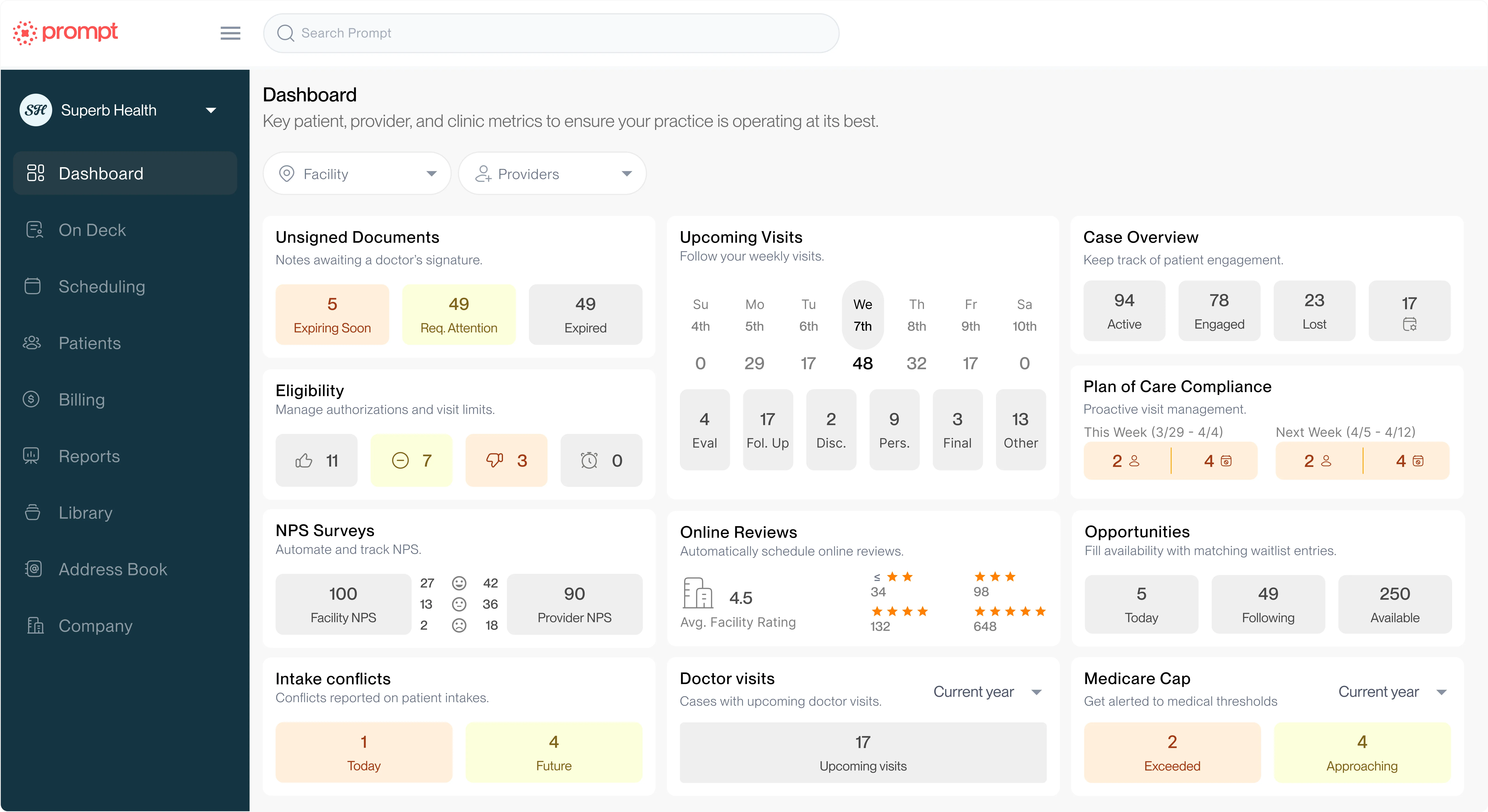
Care plans combine manual therapy, therapeutic exercise, therapeutic activities, neuromuscular re-ed, gait training, and patient education. Documentation must reflect objective findings (ROM, strength) and functional progress. Tools like Prompt help clinics maintain consistent documentation for these high-volume cases.
Why it matters
Orthopedic conditions account for the majority of outpatient therapy visits. Efficient workflows are essential for profitability.
Pro Tip
Generic templates slow you down. Clear functional goals make orthopedic documentation more defensible and easier to audit.
FAQ
Is orthopedic PT only for athletes?
No. It serves patients of all ages and activity levels, from post-op seniors to weekend warriors.
What is the difference between Orthopedic PT and Sports PT?
Sports PT is a sub-niche of orthopedics focused specifically on the athletic population and return-to-sport testing, though the CPT codes used are largely the same.
Do I need a referral for Orthopedic PT?
In many states with Direct Access laws, patients can start orthopedic treatment without a physician referral.