








.png)
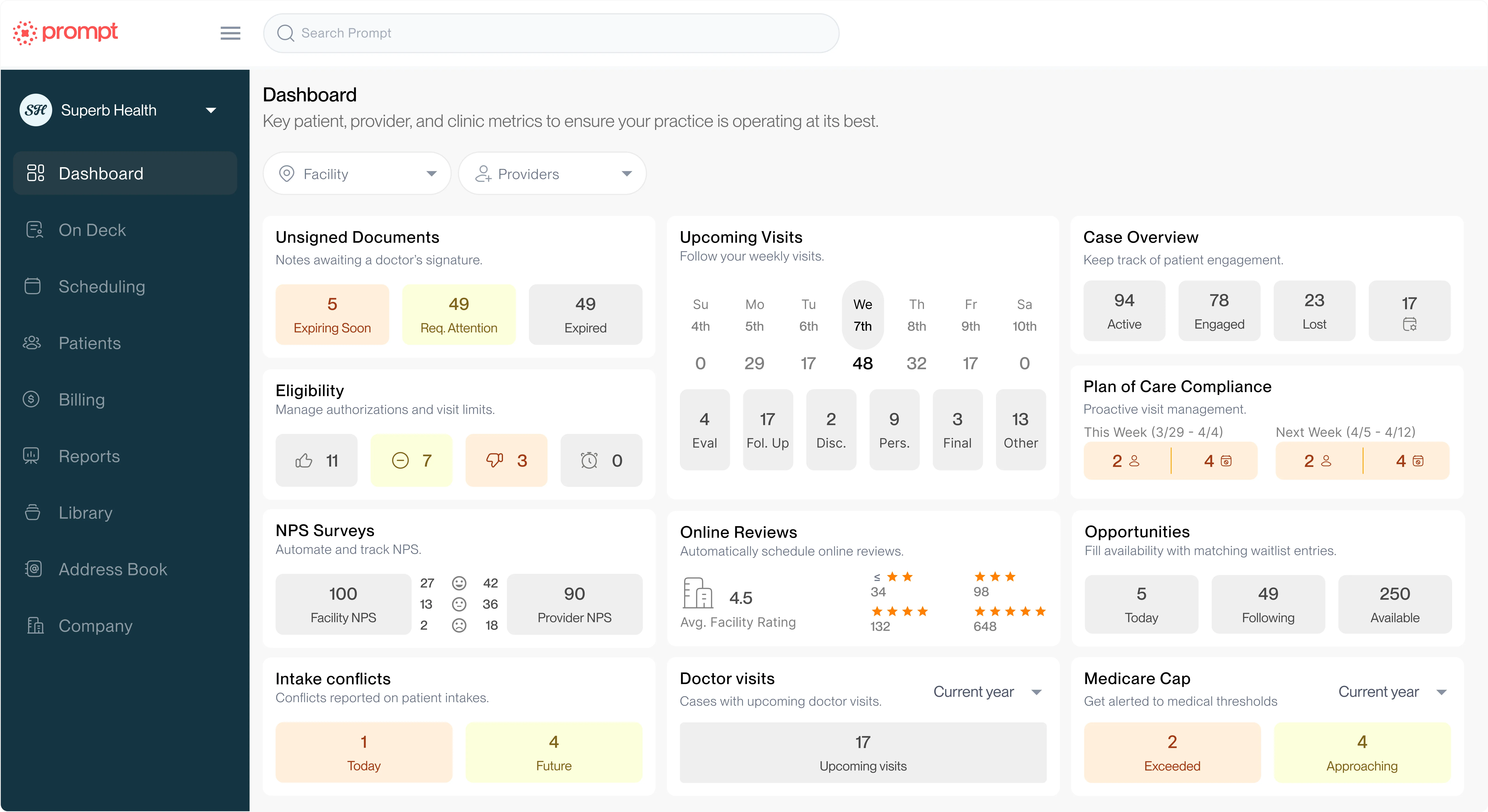
Reimbursement amounts are determined by payer contracts, fee schedules, coding accuracy, and compliance with coverage rules. In therapy practices, reimbursement varies by service type, authorization status, and visit limits.
Strong documentation and timely follow-up improve reimbursement outcomes. Clinics must monitor "allowed amounts" to ensure they are not being underpaid against their contracted rates.
Why it matters
Reimbursement drives revenue predictability. If you don't track it, you can't manage your business's financial health.
Pro Tip
If you can't get your numbers right, you're doing it wrong. Track reimbursement trends by payer to spot issues early.
FAQ
Does reimbursement vary by payer?
Yes. Rates and coverage rules differ significantly between Medicare, Medicaid, and commercial payers.
What is an allowed amount?
The maximum reimbursable amount a payer allows for a covered healthcare service under a specific plan.
Why is my reimbursement lower than expected?
It may be due to a change in the fee schedule, a sequestration adjustment, coding authorization issues, contractual adjustments, or a processing error by the payer.