You've seen it on your cancellation report. A family loves the evaluation and books a few visits. Around week 6, the cancellations start, and by spring the child is on hold.
Missed visits come with pediatric care, and they tend to follow patterns. In a Canadian study of mothers who missed their babies' neonatal follow-up appointments, many said they decided which visits to keep based on how serious their child's needs looked to them. Others had so much going on that getting there felt impossible.
Your practice can't clear a family's calendar. It can make sure every family leaves the evaluation knowing why each visit matters. That works best as a process your whole team follows, so it doesn't depend on which clinician a family happens to see.
Build a first-visit script your clinicians can use
Most clinicians were never trained on this conversation, and new grads often find it the hardest part of the job. A shared script gives everyone the same starting point. Before a family leaves the evaluation, they should know:
- What their child is working on and why it matters at home and school
- How often visits will happen, and for how long
- What their part looks like, including the home program
- When they'll hear about progress, like a quick note after sessions and a fuller update every few months
Coach clinicians to set the tone as a partnership. A line like "We're a team, and I can't do this without you" shows the clinician's commitment first, which makes it easier for a family to commit back.
Give this conversation the same training time you give billing. Role-play the script with new hires, then sit in on a few real evaluations and give feedback.
Make "What might get in the way?" a standard question
Add this to every evaluation: "Is there anything in the next 2 to 3 months that could make therapy hard to keep up with?"
Families often mention things like:
- A trip or out-of-town relatives
- A new job or a change in work hours
- A sports season or after-school activity
- A new baby on the way
Your clinician can plan around it on the spot instead of learning about it through a string of cancellations.
Teach clinicians to recommend with confidence
If a surgeon told you, "You could fix that knee if you want," you'd probably wait. If she explained what happens if you don't, like early arthritis or a knee that keeps giving out, you'd book the surgery.
Parents hear therapy recommendations the same way. "You could come once or twice a week" leaves them guessing. Coach your clinicians to cover:
- The visit frequency they recommend
- Why that frequency fits this child's goals
- What progress looks like if visits slip
It also helps to frame the plan of care as a prescription. Families don't negotiate the dose on a prescription. They follow it because a professional recommended it for their child. Some practices go a step further and ask families to sign the plan of care.
Plan care in visits, then book it all
"Every Tuesday at 4" assumes a perfect year, and families rarely have one. Have clinicians frame the plan of care as a total number of visits that already accounts for:
- Holidays and school breaks
- A family vacation
- A few sick weeks each winter
"Once a week, about 45 visits this year" gives families a goal they can hit.
Naming those absences up front changes how families see them. They're part of the plan from day one, so families understand which visits matter most and work to protect them. A set number also gives families a finish line they can see, which is easier to commit to than therapy with no end date.
Many practices write the plan for a year at a time, since families' insurance benefits often reset or change annually.
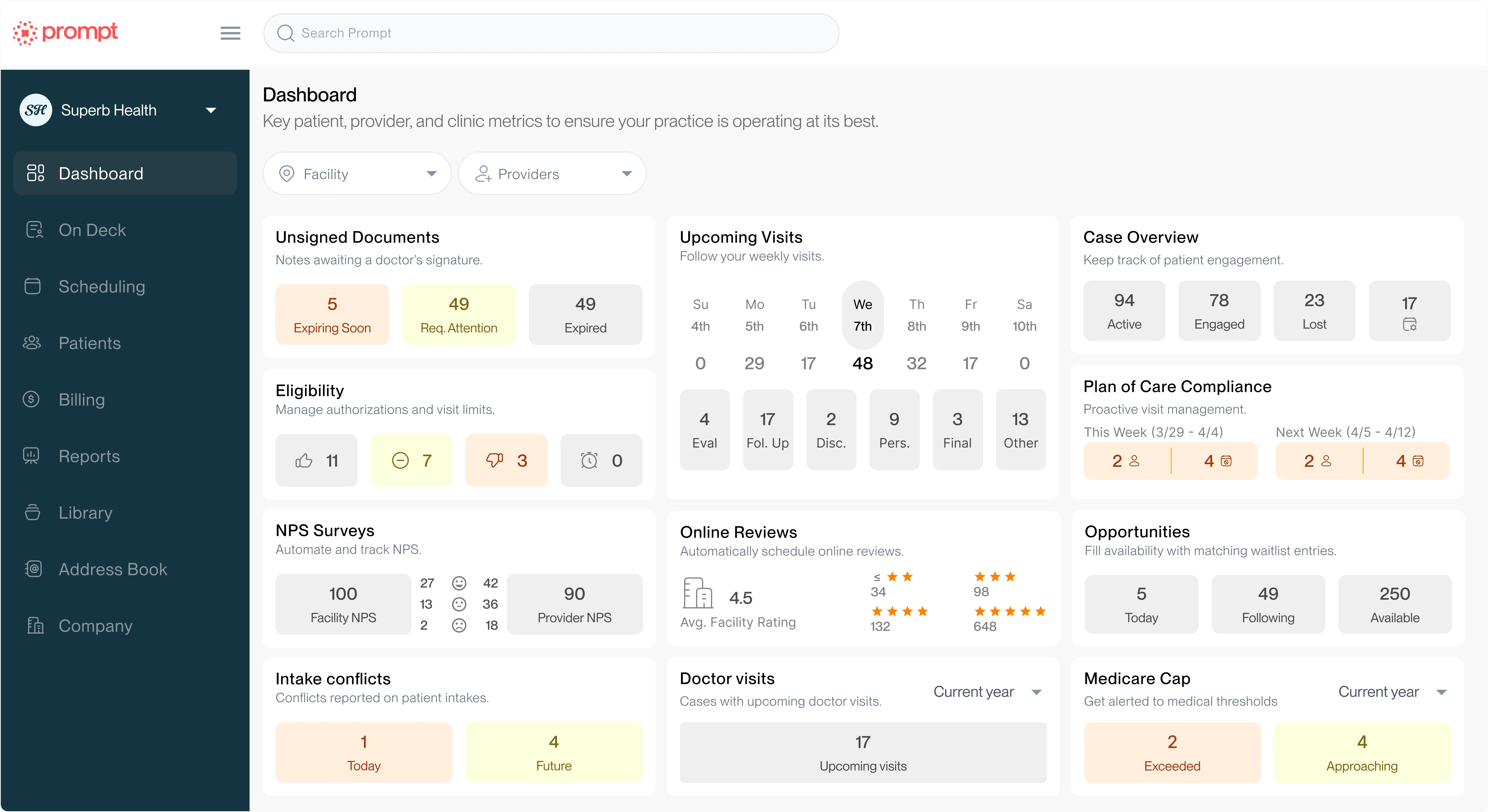
Then have your front desk book the whole plan of care before the family leaves. Families' calendars fill fast, and whatever gets booked first is what they protect. When therapy is already there, a conflict means canceling something else. With bulk scheduling in Prompt, your team can book every visit in the plan at once instead of one at a time.
Show progress in shorter stretches
A goal a year out is hard for a parent to see. Shorter episodes of care keep progress visible:
- Focus each episode on one functional skill, like trunk control or handwriting
- Write shorter-term goals families can watch their child meet
- Reassess at the end of each episode and set the next goal
Families stay engaged when they can see their child moving forward. You'll also have clear data ready when it's time to reassess or request more visits.
Give your front desk a pre-evaluation checklist
Admin gaps cost visits, too. A study of nearly 7,000 children at a pediatric outpatient neuropsychology clinic found that missing intake paperwork was one of the factors that predicted more missed appointments.
Before an evaluation goes on the schedule, your front desk should confirm:
- Intake forms are complete
- Benefits are verified
- Any required authorization is in place
It slows scheduling a little, but no family should learn after the first visit that they have to start over.
Set a no-guilt approach to missed visits
In the Canadian study, mothers said feeling judged after a missed appointment made them less likely to engage with care. Train your team so follow-up feels like help:
- Ask what got in the way before bringing up your cancellation policy
- Offer a new time on the same call or text
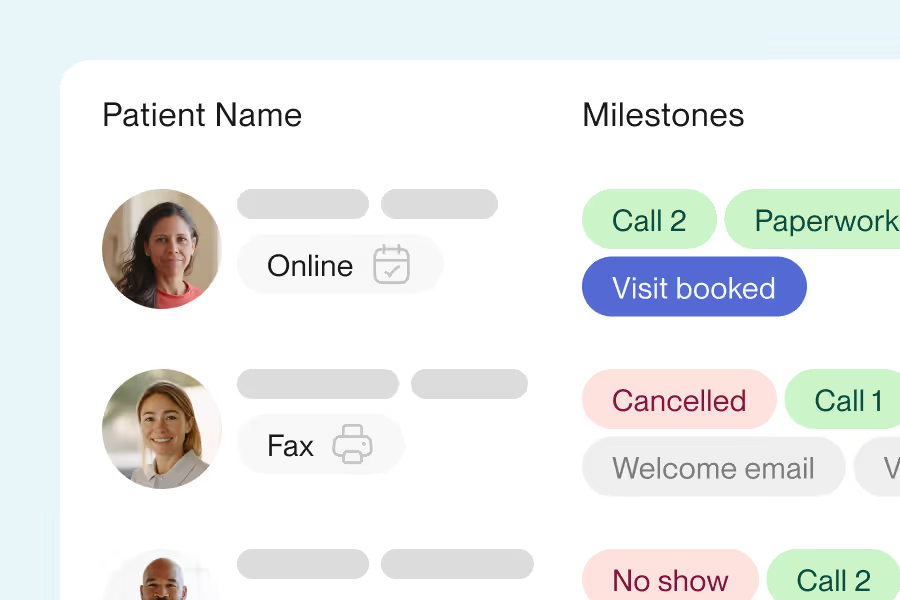
- Let families rebook through online scheduling, so a parent can grab a new slot from their phone after bedtime
Watch the numbers
Track cancellation and no-show rates by clinician each month. A clinician with higher rates may need more coaching on the first-visit conversation.
The payoff goes past your cancellation report. Families who feel committed to their child's plan are the ones who tell other parents about you.
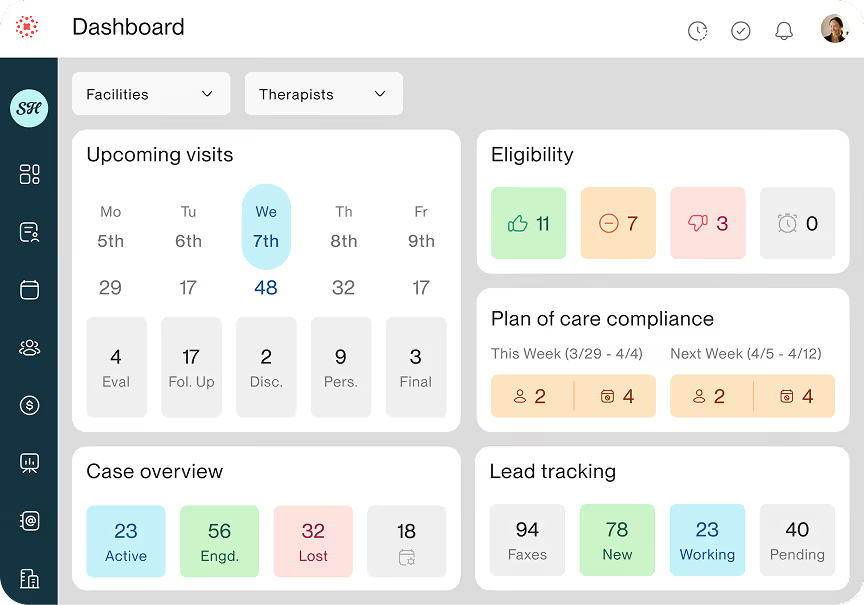
Plan of Care Compliance Automation in Prompt sends reminders to underbooked patients, so plans stay on track between visits. Pediatric practices on Prompt average a 14% cancellation rate and just 2% no-shows.
Ideas in this post come from conversations with pediatric practice owners at Prompt’s Pediatric Growth Summit, October 2026.